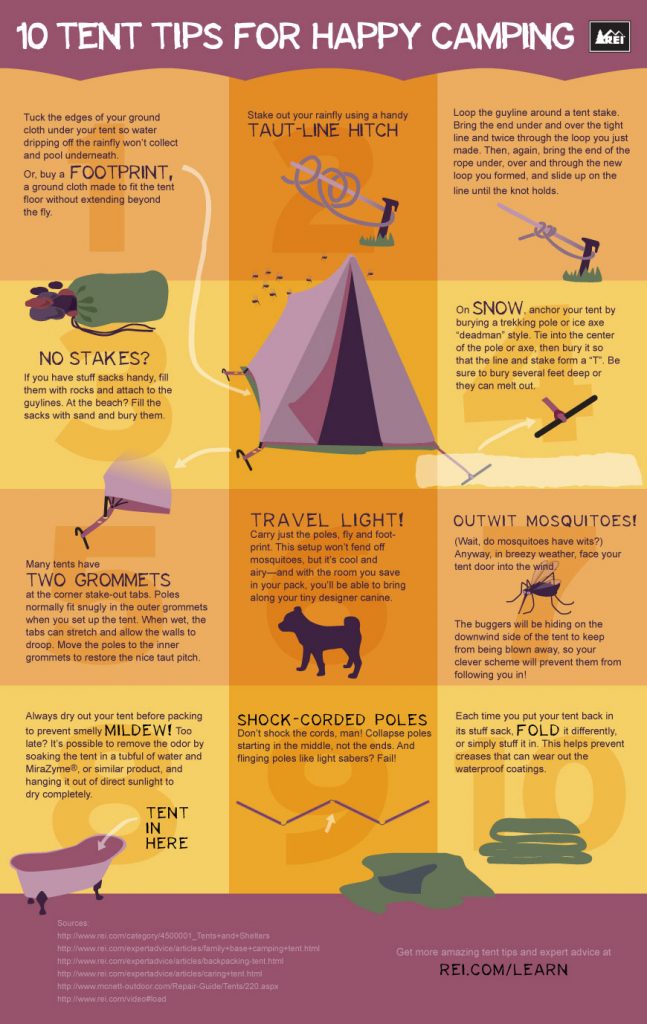
There is nothing fairly as miserable as awakening in a damp sleeping bag due to the fact that your tent failed to keep the rainfall out. Water resistant tent products do not last forever by themselves-- they need normal care and focus to keep executing at their finest. Whether you are a weekend break warrior or an experienced backpacker, understanding exactly how to maintain your tent's waterproofing can indicate the difference between a completely dry, comfortable evening and a soggy calamity. Here is every little thing you need to recognize.
Understanding Just How Tent Waterproofing Functions
Most contemporary tents utilize 2 layers of security to maintain water out. The outer material is typically covered with a Durable Water Repellent (DWR) surface, which creates water to bead up and roll off the surface area as opposed to soaking in. Under the textile, the seams and floor are generally sealed with a polyurethane (PU) finish or tape that prevents water from leaking via the stitched holes.
With time, both of these systems degrade. The DWR finish wears off with duplicated usage, washing, and UV exposure. The joint tape can peel off, crack, or separate. Recognizing which part of your tent is stopping working aids you use the best repair at the correct time.
How to Clean Your Camping Tent Effectively
Dirt, body oils, sun block, and bug spray all break down DWR coverings quicker than regular wear. Normal, gentle cleaning is among the most effective things you can do to extend the life of your camping tent's waterproofing.
Hand Laundering vs. Equipment Washing
Hand washing is always the best alternative. Load a bathtub or large basin with great water and a percentage of tent-specific cleanser or mild, non-detergent soap. Gently scrub the material with a soft sponge, paying additional focus to high-contact locations like the door panels and flooring. Rinse extensively and allow the tent to air dry totally prior to saving.
If you have to make use of a cleaning machine, use a front-loading device on a gentle cycle-- top-loaders with agitators can damage the material and finishes. Never ever make use of normal washing cleaning agent, as it strips DWR coatings aggressively and leaves residues that draw in wetness.
Drying Your Camping Tent Properly
Always air dry your camping tent in a shaded, well-ventilated location. Direct sunlight causes UV destruction of both the textile and the water-proof layers. Never ever place an outdoor tents in a tumble clothes dryer unless the item especially mentions it is secure to do so, and also after that, utilize the most affordable warm setting possible.
Reapplying DWR Covering
If water is no longer beading up on your tent's fly and instead soaking right into the textile-- a sensation called "moistening out"-- it is time to reapply a DWR therapy. This is a simple process that can restore a significant portion of your tent's weather condition resistance.
Spray-On vs. Wash-In Treatments
Spray-on DWR products are generally preferred for outdoors tents due to the fact that they permit you to target certain locations without impacting the breathability of the entire fabric. Lay your outdoor tents fly level on a clean surface, apply the spray equally, and rub out any type of excess with a clean cloth. After that trigger the finishing by running a warm iron camping gear over the fabric (with a towel obstacle in between) or utilizing a dryer on reduced warmth for a couple of minutes if the label permits.
Wash-in therapies coat the whole material, including the inside, which can lower breathability. These are much better suited for rain coats than camping tents.
Sealing and Fixing Camping Tent Seams
Seam failure is just one of the most common causes of a dripping camping tent. Inspect your joints at the beginning of every camping period and after any type of particularly damp journey.
How to Reseal Outdoor Tents Seams
If you observe the seam tape peeling off or splitting, you will need to reseal those areas. Initially, gently get rid of any type of loose tape with your fingers-- do not draw strongly or you may harm the fabric. Tidy the location with isopropyl alcohol and allow it dry. After that use a seam sealant suited to your outdoor tents's material (silicone-based for silnylon tents, polyurethane-based for the majority of other textiles). Work the sealant right into the stitching with a little brush, let it heal fully according to the product directions, and reconsider before your next journey.
Storing Your Outdoor Tents for Long-Term Care
Just how you keep your tent matters equally as much as exactly how you clean it. Never ever store a camping tent compressed securely in its stuff sack for prolonged periods, as this worries the fabric and finishings. Instead, freely roll or things it into a huge mesh bag or cotton pillowcase in a trendy, dry area away from direct light.
Maintaining your outdoor tents tidy, dry, and appropriately stored between journeys-- integrated with routine DWR reapplication and seam securing-- will certainly keep it water resistant and reliable for lots of seasons to find.